

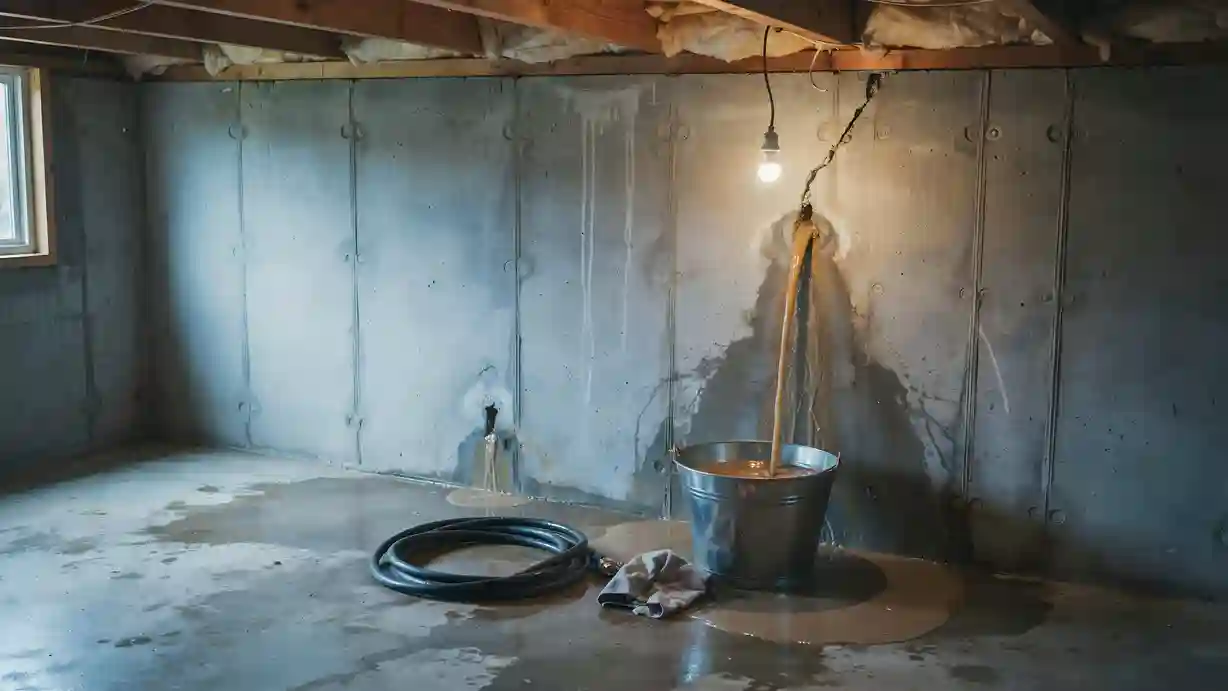
Basement moisture isn’t always as obvious as standing water after a storm. In Maryland, humid outdoor air, condensation, drainage issues, and small areas of water intrusion can all leave a basement feeling damp even when there’s no visible leak.
Over time, that excess moisture can affect building materials and create conditions where mold may grow. A basement moisture inspection in Maryland can help identify where moisture is coming from, including concerns that may be difficult to spot in a finished basement.
Here’s what Maryland homeowners should watch for and how a professional inspection can help uncover the source.
Why Basements Struggle With Maryland Humidity
Living near the Chesapeake Bay means we deal with some of the highest humidity levels in the country. The EPA notes that our region is seeing a steady increase in moisture-heavy weather patterns, increasing temperatures, changing precipitation patterns, rising sea levels, and more.
When that thick, humid air hits your cool basement walls, it turns into condensation immediately. This creates a perfect breeding ground for wood-destroying fungi and bacteria behind your drywall.
A water intrusion inspection during a Maryland summer season will often find high moisture levels even when the basement looks dry to the naked eye. If your basement smells musty, you already have a moisture problem that is actively damaging your home.
Ignoring that smell is like ignoring a check engine light on a car that is about to stall.
The Hidden Dangers of Spring Flooding Residue
Every year, Maryland faces heavy rains that put incredible pressure on home foundations. Even if you didn’t have a full flood, the soil around your house stays saturated for weeks at a time.
This leads many homeowners to seek a mold inspection after spring flooding to ensure their air is safe.
Small cracks in your foundation can let in tiny amounts of water that get trapped under your carpet or behind baseboards. This trapped water doesn’t evaporate; it just sits there and feeds mold spores.
By the time you see a black spot on the wall, the damage inside the wall is likely much worse. Professional tools like moisture meters can find these damp pockets before they become a visible health hazard.
How Moisture Cracks the Foundation of Your Wealth
Water does not just cause mold; it physically weakens the materials holding up your house. Concrete is porous, meaning it acts like a giant sponge that sucks up water from the Maryland soil.
Over time, this constant dampness carries natural minerals through your porous foundation walls. As the water evaporates, it leaves behind a white, powdery salt deposit called efflorescence, which slowly causes the surface of your concrete blocks or mortar to flake, crumble, and spall.
A basement moisture inspection in Maryland focuses on these subtle signs of structural fatigue. If you plan on selling your home in the future, these issues will show up on a buyer’s report and kill your deal.
Fixing a moisture issue today is an investment that preserves your property’s total value.
The Real Cost of Mold in the Mid-Atlantic
Mold is a major concern for anyone living in the humid corridor between Baltimore and D.C. It can cause everything from minor allergies to serious respiratory distress.
In Maryland, the combination of older housing stock and high humidity makes mold inspection a vital service. Many people spend thousands on new HVAC systems to fix air quality issues when the real problem is in their crawlspace.
If mold spores are present in your basement, they will travel through the rest of the house via the stack effect. That means you breathe basement air every time you go into your bedroom or kitchen.
Cleaning the air starts with fixing the moisture at the lowest point of your home.
Identifying the Entry Points for Water Intrusion
Water is incredibly patient and will find the path of least resistance into your basement. It often comes through cove joints, which are the tiny gaps where your floor meets your wall. It can also seep through window wells that aren’t draining properly after a summer storm.
Water intrusion inspection in Maryland summer focuses on these specific weak points. Inspectors also check your yard’s grading to see whether water is being funneled toward your foundation.
If your gutters are dumping water right at the base of your home, your basement will never be dry. Simple fixes like extending your downspouts can make a massive difference in your moisture levels.
Using Technology to Find What the Eye Misses
Modern home inspectors no longer just walk around with a flashlight and a notepad. They use thermal imaging cameras to see temperature differences that indicate hidden leaks.
A wet spot behind a finished wall will show up as a cold area on an infrared screen. This makes a basement moisture inspection in Maryland report incredibly accurate without tearing down your walls.
They also use hygrometers to measure the exact relative humidity in the air. If your humidity is consistently above 55%, you are virtually guaranteed to have mold growth. This data helps you make smart decisions about dehumidifiers and waterproofing.
Wrapping Up
Basement moisture issues don’t fix themselves, and they only get more expensive the longer you wait.
Finding the source of the dampness now gives you the clarity you need to keep your family safe.
ProTec Inspection Services is a professional home inspection company that knows exactly where Maryland humidity likes to hide. We use advanced tools to find moisture that you cannot see with the naked eye.
Our team provides the facts you need to protect your basement from long-term structural damage. Contact us today to schedule a basement inspection.