

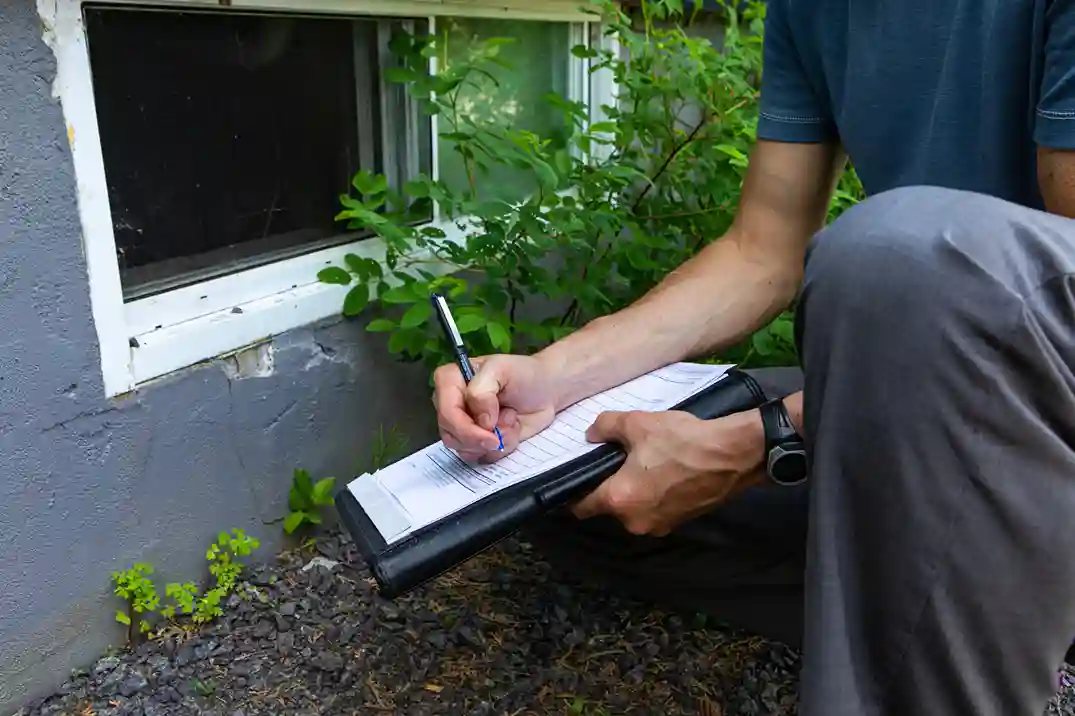
Older homes have a lot going for them. For many buyers, that charm is a big part of the appeal. But as inspectors, we always remind buyers of one important thing that Older homes almost always need more thorough inspections.
That doesn’t mean older homes are bad or unsafe. It simply means they’ve had more time for systems to age, materials to wear out, and repairs to pile up. An older home inspection takes a deeper look because there’s usually more to uncover.
What Counts As An Older Home
There’s no official cutoff, but in home inspections, we usually consider a home “older” if it was built:
- 30+ years ago
- Before modern building standards became common
- Before the current electrical, plumbing, or safety expectations
Homes built decades ago weren’t constructed poorly; they were built to the standards of their time. The issue is that standards, materials, and expectations have changed.
Common Problems in Older Homes
Older homes have seen a lot. Extreme weather conditions, multiple DIY fixes, and outdated systems. Here are some common problems our inspectors find in older homes.
Older Homes Have Systems That Are Simply Aging
One of the biggest reasons an older home inspection needs to be more thorough is simple wear and tear. Major systems don’t last forever:
- Roofs age
- Plumbing corrodes
- Electrical components loosen
- HVAC systems wear out
- Foundations settle
Even well-maintained homes experience gradual deterioration over time. Inspections help determine whether systems are nearing the end of their service life or require repair or replacement.
Electrical Systems Are a Major Concern in Older Homes
While inspecting an older home, inspectors focus most on the electrical system. Any problem here can pose a serious safety risk to the residents. Common electrical issues include:
- Outdated wiring types
- Overloaded panels
- Insufficient grounding
- Lack of modern safety outlets (GFCIs and AFCIs)
- DIY electrical work done years ago
According to the Consumer Product Safety Commission (CPSC), outdated or improperly maintained electrical systems increase the risk of electrical fires.
Many older homes were never designed to handle today’s electrical demand, which is why inspectors take extra time evaluating these systems.
Plumbing Problems Are Common & Often Hidden
Plumbing systems in older homes often use materials that are no longer standard. Some common problems in older homes include:
- Corroded metal pipes
- Old supply lines
- Improper repairs from past upgrades
- Slow leaks hidden inside walls
- Poor drain slopes
Leaks in older plumbing systems don’t always show up right away. Over time, they can lead to water damage, and water damage is the rootcause of mold growth in a home.
Roofing & Attic Issues Take Time to Develop
Roof and attic problems don’t usually appear overnight. They develop slowly over the years. In older homes, inspectors frequently find:
- Multiple layers of roofing
- Aging flashing
- Past leak repairs
- Inadequate attic ventilation
- Insulation that no longer performs well
Poor attic ventilation, in particular, can contribute to moisture buildup, higher energy costs, and mold growth.
Foundation Movement Becomes More Noticeable Over Time
All homes settle, but older homes have had decades to do so. During an older home inspection, inspectors pay close attention to:
- Foundation cracks
- Uneven floors
- Doors or windows that don’t operate properly
- Signs of past structural repairs
Not all foundation movement is a major issue, but understanding what’s normal versus what’s concerning is critical before buying.
Older Homes Often Have Layers of Past Repairs
One thing that makes inspections of older homes more complex is the number of past repairs and updates. Over the years, homes may have had:
- Partial renovations
- DIY fixes
- Additions
- System upgrades are done in stages
Sometimes newer components are installed on top of older systems, creating mismatches or hidden issues. Inspectors need to evaluate not just what’s new, but how it integrates with what’s old.
Moisture Problems Are More Likely in Older Homes
Moisture is a major factor behind many common problems in older homes. Why moisture issues are more common:
- Older drainage systems
- Aging foundations
- Poor grading
- Outdated waterproofing
- Worn sealants around windows and doors
According to the U.S. Environmental Protection Agency (EPA), moisture problems are the main driver behind mold growth and indoor air quality issues. Inspectors carefully evaluate areas where water may enter or accumulate.
Safety Standards Have Changed Over Time
Many safety features we expect today didn’t exist when older homes were built. Inspectors often find:
- Missing handrails or guardrails
- Staircases with uneven steps
- Low or missing smoke detectors
- No carbon monoxide detectors
- Low headroom clearances
These issues don’t mean the home is unlivable, but they do mean buyers should understand what updates may be needed to meet modern safety expectations.
Why Inspections Take Longer in Older Homes
Buyers are sometimes surprised that inspections of older homes take longer and produce longer reports. That’s because inspectors must:
- Look more closely at aging systems
- Document observable wear
- Identify safety concerns
- Explain what’s normal for the home’s age
- Clarify what may need repair versus monitoring
A longer report doesn’t mean the home is bad; it usually means the inspector has checked everything in detail.
Final Thoughts
We all know that older homes stood the test of time, and time leaves its mark. That’s why older home inspection needs to be more detailed. Aging systems, past repairs, and outdated materials all add layers of complexity for the home inspector.
If you are interested in buying an older property, contact us first. The experienced inspectors at ProTec Inspection Services can help you understand every detail of the property so you can make the most suitable decision.