

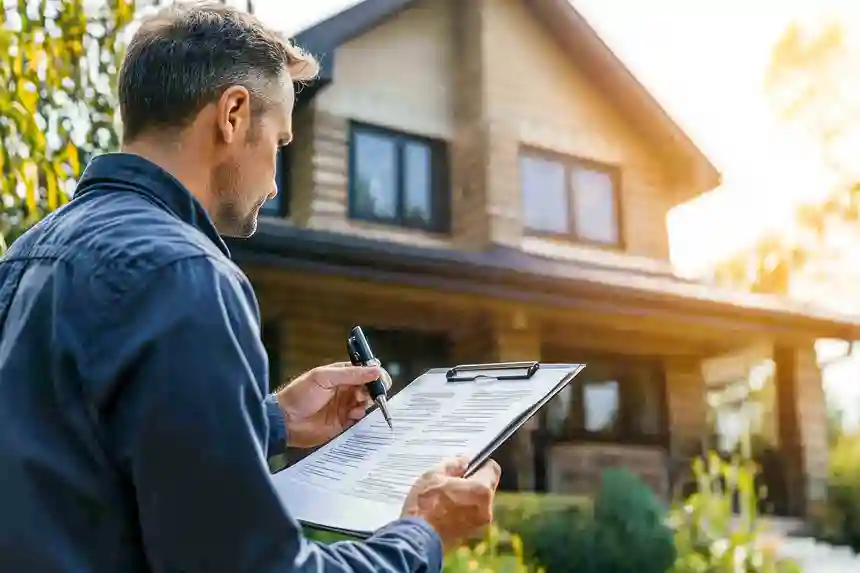
During the homebuying process, disaster often strikes when an inspection is rushed or a buyer fails to realize how much time the inspector actually needs. One missed hour in the attic can lead to a decade of financial stress.
Knowing exactly how long a home inspection takes is your best defense against a bad investment. It helps you block out enough time to ask questions and catch red flags before they become your problem.
This guide breaks down the clock so you can walk into your new home with total peace of mind. You will learn what factors slow things down and how to ensure your inspector is being as thorough as possible.
The Average Time You Should Allocate
For a standard single-family home, you should expect the process to last between two and four hours. This is the sweet spot for most professional inspectors.
They need this time to check the attic, crawl through the basement, and test every single outlet. It is a physical job that requires a lot of movement and attention to detail.
If you are looking at a small condo, it might only take ninety minutes. On the flip side, a massive estate could keep an inspector busy all day long.
Why Square Footage Matters Most
The biggest factor in the timeline is the property’s size.
A 1,200-square-foot rancher has much less ground to cover than a 5,000-square-foot mansion. The inspector has to walk the perimeter and check every window.
More rooms mean more doors to open and more walls to inspect for moisture. If the home has multiple additions, the complexity grows even faster.
The Age of the Home Changes the Game
Older homes almost always take longer to inspect. This is especially true when you are booking a home inspection in Maryland, where historic properties are everywhere.
Think about a house built in the 1920s. It likely has layers of old wiring, aging pipes, and maybe even a few “DIY” repairs from previous owners. They need to verify whether the electrical panel is safe and whether the plumbing is original lead or galvanized steel.
It is much harder to estimate how long a home inspection takes when the house was built before the Great Depression.
Systems That Add Time to the Clock
Certain parts of a house require a much deeper look. The HVAC system is one of them.
Testing the furnace and the air conditioning takes time. The inspector has to wait for the air temperature to stabilize before getting an accurate reading.
The roof is another time-heavy area. If the roof is safe to walk on, the inspector will climb up there to check for shingle damage.
If it is too steep or wet, they might use a drone or high-powered binoculars. This setup and execution add minutes to the total duration.
Real World Scenarios and Lessons Learned
Consider the case of the “Leaning Tower” of San Francisco, known as the Millennium Tower. While that is a high-rise, it proves that even huge buildings have hidden flaws.
In residential cases, many Maryland buyers deal with wet basements. A quick inspector might miss a faint water stain behind a box.
A patient inspector will find it.
According to the International Association of Certified Home Inspectors, a proper inspection must follow strict standards.
The Condition of the Property
A “fixer-upper” is going to take much longer than a new construction home. If a house has been neglected, there are more defects to document.
Every time the inspector finds a leak or a double-tapped breaker, they have to stop. They take photos and write detailed notes for the report.
If the house is a mess, it also slows down the physical movement. An inspector cannot check an electrical panel if it is blocked by five years of old newspapers.
Accessibility and Clutter Issues
If the inspector cannot get into the attic, they cannot finish the job.
They won’t move heavy furniture or personal belongings. If the crawlspace hatch is painted shut, that part of the inspection just won’t happen.
This leads to follow-up visits, which cost more money and time. Always make sure the utilities are turned on and the pilot lights are lit.
Missing utilities are a leading cause of incomplete inspections. This can stall your closing for days.
How the Weather Plays a Role
Maryland’s weather is famous for being unpredictable. A sudden downpour can change the whole schedule.
Inspectors generally avoid going onto a roof if it is slick with rain or covered in snow. It is a safety hazard.
They might have to wait for a break in the storm to check the exterior. High winds can also make it difficult to use drones for roof checks.
Should the Buyer Stay the Whole Time
You do not have to be there for every second, but you should show up for the end.
Most people arrive when the inspector is closing the inspection. This is when the inspector can walk you through the house and show you their findings.
Seeing a problem in person is much better than reading about it in a PDF. It helps you understand the severity of the issue.
If you stay for the full four hours, you might get in the way. Let the pro do their work, then get the summary at the end.
How to Speed Up Your Home Inspection
If you are the seller, you can help the clock move faster. Clear a path to the HVAC system, the water heater, and the attic access.
Keep your pets in a crate or take them for a walk. A barking dog or a hiding cat is a major distraction.
Provide a list of recent upgrades or repairs with receipts. This gives the inspector a roadmap of what has been fixed.
If you are the buyer, come prepared with a list of specific concerns. This keeps the conversation focused and efficient.
When you finally get an answer to how long does a home inspection take, remember that a slower pace usually means a more careful look.
Getting Your Results Without the Wait
Once the physical walkthrough is over, you still need the written report. Most modern companies deliver this digitally within twenty-four hours.
Some might even get it to you the same evening. However, if the home was very complex, it might take an extra day to process the photos.
Always ask your inspector about their turnaround time before you hire them. This ensures you stay within your contract’s contingency period.
You can check the Maryland Department of Labor to verify that your inspector is licensed and follows state timelines. This protects your investment and your peace of mind.
Choosing the Right Inspector for the Job
Now that you know how long does a home inspection take, you can see that quality is better than speed. You want someone who takes their time to look in the corners others ignore.
A fast inspection is often a lazy inspection. Your home is likely the biggest purchase of your life, so every minute the inspector spends is an investment.
ProTec Inspection Services offers the professional eye you need. Our team understands the local landscape and provides the thorough, detailed checks that Maryland homeowners trust. We move efficiently without ever cutting corners or rushing the process. If you want a clear picture of your property’s health, reach out to us today to schedule your walkthrough.