

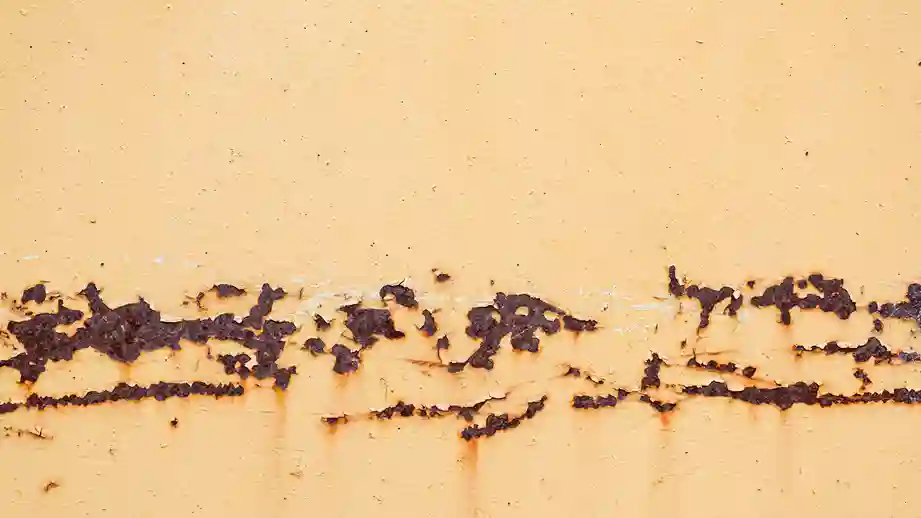
Termites cause over $5 billion in property damage every single year in the United States. That is more than the combined destruction from fires, floods, and windstorms.
A small mark on the wall or a faint line near the baseboard can be easy to ignore. It might look like leftover water damage or just normal wear, but sometimes it points to something happening beneath the surface.
That’s where things get tricky. Early signs of termite activity can look similar to minor issues, and it’s not always obvious which is which.
In this blog, we’ll go over how to tell the difference, what signs to pay attention to, and why a proper termite inspection matters before the damage adds up.
Termite Trails vs. Water Stains: What Is The Difference
At first glance, a termite mud tube and a water stain look remarkably similar. Both often appear as wavy, discolored lines moving across your walls or ceiling.
Remember this about water stains: they usually look like “rings” or have a dampened, soft texture.
If you touch the area and it feels cold or spongy, you are likely looking at a plumbing or roof leak.
Termite trails, specifically mud tubes, are much more structural and dry to the touch.
These tubes look like tiny, dried mud veins running vertically up a foundation or across a wall. Subterranean termites build these tunnels from soil and saliva to keep them moist as they travel.
According to experts, these tubes are a definitive sign of an active infestation.
Identifying The Infamous Mud Tube
If you see a line that looks like a piece of dried earth stuck to your wall, do not just wipe it away. Try to break off a small piece of the tube to see if anything is moving inside.
If you see tiny, cream colored insects scurrying around, you have a major problem on your hands.
Even if the tube is empty, it does not mean the termites are gone. They often abandon one tunnel to build another closer to a better food source.
Sometimes these trails are hidden behind baseboards or inside closets where you rarely look.
This explains the importance of termite inspection for homeowners. If you are looking for a termite inspection in Maryland, a local pro knows how to find these hidden paths in the crawl spaces where you probably never go
Understanding The Look Of Water Damage
Water damage has its own unique set of “fingerprints” on your home. You will often see paint bubbling, cracking, or peeling from the drywall.
The color is usually a brownish or yellowish hue that spreads in a circular pattern. If the leak is active, you might even notice a faint musty smell similar to a damp basement.
The EPA notes that moisture is the primary driver for both mold and structural rot.
While water damage is bad, it does not usually move as fast as a termite colony. Termites are active 24 hours a day, 7 days a week, without ever taking a break. They can eat through a 2×4 piece of wood in a surprisingly short amount of time.
Why You Cannot Afford to Guess
Wait until you see the wood actually crumbling before you take action, and it will be too late.
Termites are known as “silent destroyers” because they hide inside the wood. They leave the outer layer of paint or veneer intact, so you cannot see the hollowed-out interior.
If you tap on a wooden beam and it sounds hollow, the damage is already severe. This is exactly why termite inspection is a recurring theme in real estate.
One famous case in New Orleans involved a vintage cottage where termites ate through the support beams. The owners thought they had a small roof leak because of the ceiling stains.
By the time they called an expert, it was too late.
The Hidden Costs Of A Delayed Reaction
Fixing a water leak might cost a few hundred dollars, including a plumber’s fee and new drywall. Treating a full-scale termite infestation can cost thousands, before you even fix the wood.
Homeowners’ insurance almost never covers termite damage because it is considered “preventable.” That means if your floor joists rot out from bugs, you are on the hook for the whole bill. Keeping up with regular termite inspections in Maryland is the best way to demonstrate you are maintaining the property.
Regularly checking your foundation and crawl spaces is a good start for any homeowner. However, termites can enter through a crack as thin as a credit card. They can even climb up the inside of hollow cinder blocks to reach your floor joists.
Professional inspectors use tools such as moisture meters and acoustic sensors to detect them.
Protecting Your Home From Damage
It is easy to walk past a mark on the wall and tell yourself you will deal with it later. We all have busy lives, but your home is likely your biggest asset.
Look for subtle signs, such as discarded wings near windowsills or tiny holes in the drywall. These “pinholes” are often exit points for reproductive termites leaving the nest.
If you see these, or any mysterious mud-like trails, do not wait for the floor to sag.
Keep your gutters clean and move mulch piles away from your foundation to stay safe.
Taking these small steps today keeps the “silent destroyers” from moving in tomorrow.
The importance of termite inspection is all about catching the problem before it hits your wallet. Scheduling a termite inspection in Maryland is a small price to pay to keep your mulch piles and gutters from becoming a bridge for pests.
Save Your Home From Pests
If you are staring at a suspicious stain on your wall and your gut is telling you something is wrong, listen to it. ProTec Inspection Services is a professional home inspection company that knows the difference between a leak and a colony.
If you want to know for sure what is happening behind your drywall, reach out to us. We will give you a straight answer and a clear plan so you can stop worrying and get back to enjoying your home.